
9z sweeps PARIVISION in Guangzhou: the core result and context
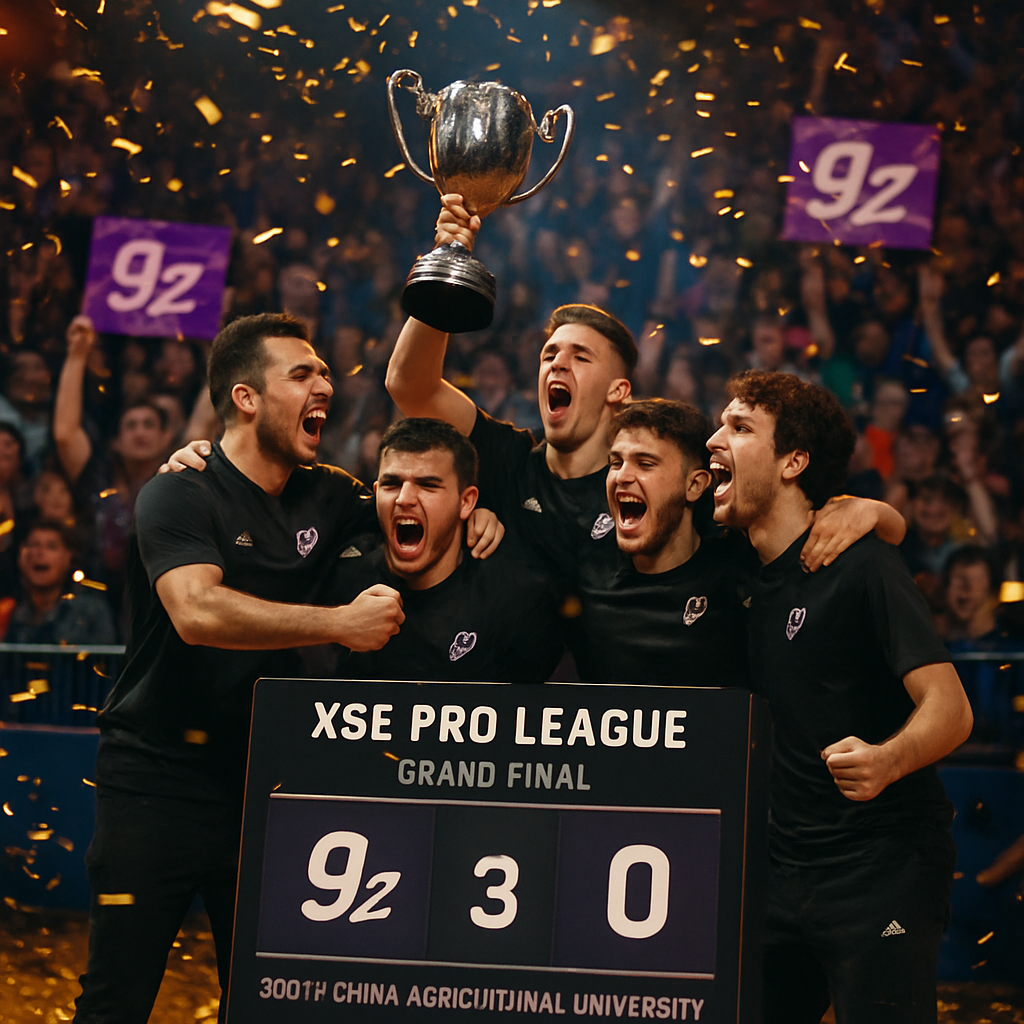
On July 12 at South China Agricultural University, 9z swept PARIVISION 3-0 to win the XSE Pro League Guangzhou 2026 (XPL). The map scores were Mirage 13-9, Inferno 13-10, and Dust2 13-4, and the event carried a $1M prize pool with 9z taking $260K for first place.
After early group-stage stumbles, 9z recovered through the bracket by beating TYLOO and Alliance before meeting PARIVISION in the final. The result capped a regional championship run that combined tight mid-series finishes with a dominant closing map.
Mirage and Inferno: how 9z closed out two tight maps
Both Mirage (13-9) and Inferno (13-10) were competitive through the midgame, but 9z found consistent late-round execution to close each map. Those scores indicate they were able to convert critical post-plant situations and limit PARIVISION’s ability to string consecutive rounds in response.
On Mirage and Inferno, small margins decide outcomes: economy management around pistols, timely utility usage, and winning clutches. 9z’s ability to secure necessary rounds at the end of each half turned otherwise balanced affairs into finished maps in their favor.
Dust2 dominance: what a 13-4 scoreline tells us
Dust2 finished 13-4 in 9z’s favor, a decisive margin that suggests map control and neutralization of PARIVISION’s game plan. A result this one-sided usually reflects repeated round wins on both sides of the economy cycle and a failure by the opponent to stabilize through buys and adjustments.
When a final map swings that heavily, it often stems from a combination of strong opening-round performances, early economic pressure, and effective rotations. In this case, 9z closed the series on Dust2 without leaving room for a PARIVISION comeback.
- Mirage — 13-9: late-round control and decisive clutch defense.
- Inferno — 13-10: narrow margin held through post-plant consistency.
- Dust2 — 13-4: clean, economy-driven finish and map control.
Road to the final: recovering after group-stage stumbles
The tournament narrative for 9z included early difficulty in the group stage, but they recovered when it mattered most. After the stumbles, 9z eliminated TYLOO and Alliance en route to the championship match, showing that momentum can shift during bracket play.
Knockout rounds reward teams that adapt mid-event; 9z’s path demonstrates the value of tactical adjustments and psychological resilience. Recovering from group problems to beat regional contenders before the final highlights their ability to refine strategies under pressure.
Event stakes and why this win matters for 9z
The XSE Pro League Guangzhou 2026 carried a $1M prize pool, with 9z receiving $260K for first place. Beyond the monetary reward, the title at a major regional event in Guangzhou adds credibility to their campaign and signals competitive strength within the current pro landscape.
For readers who want background on the game environment shaping these matches, consult the Counter-Strike 2 Wikipedia page for context about the platform and mechanics that define professional play. That reference helps explain why map control, economy cycles, and utility usage appear consistently in post-event tactical analysis.
Tactical takeaways for teams, analysts, and viewers
First, closing rounds under pressure is non-negotiable at this level; 9z’s narrow wins on Mirage and Inferno show that late-round execution wins finals. Teams should prioritize practicing post-plant scenarios and retake setups that mirror high-leverage situations.
Second, Dust2’s lopsided final map underlines the importance of stabilizing economy quickly once a map slips away. When a team loses multiple opening duels and early rounds, the opponent can snowball to a decisive scoreline, which is what happened in the last map of this series.
Finally, tournament structure rewards adaptability: 9z’s recovery after group-stage struggles and victories over TYLOO and Alliance demonstrate the competitive value of iterative adjustments. Coaches and analysts should track how mid-event changes correlate with late-stage performance.
Practical notes for future match coverage and scouting
Scouts and commentators covering 9z should highlight patterns from this tournament: ability to win clutch rounds, consistent post-plant defense, and a capability to close maps decisively. Those are the elements that turned a shaky group phase into a championship result.
For viewers, the match provides clear examples of how small tactical improvements produce outsized results—watch the closing sequences on Mirage and Inferno for execution under pressure, and study Dust2 for an example of clean map control turning into a swift series-ending victory.
